

A health waiver lets certain Australian visa applicants stay despite failing the health requirement, but it only works if your visa subclass legally permits one and the decision maker is satisfied the Significant Cost Threshold and prejudice to access tests are met. It is discretionary, not automatic, and the Department of Home Affairs is the body that makes the final call.
TL;DR:
- The decision to grant a health waiver depends on visa subclass provisions and the decision maker’s satisfaction of cost and prejudice criteria.
- The Significant Cost Threshold is set at AUD $86,000 from July 2024, and the decision also considers whether granting the visa would impact access to scarce community services.
- A health undertaking may be required, and compliance with post-arrival monitoring can influence future visa applications and status.
- If you fail the health requirement, providing detailed medical reports, ongoing care plans, and projected community health costs strengthens your waiver case.
- Most applicants wrongly believe private health insurance can override medical findings; building a specific treatment and cost forecast is more effective.
Table of Contents
- Which visa subclasses may allow a health waiver
- How the legal test works: medical assessment, cost and access
- Health undertakings and what happens once you are in Australia
- If you fail the health requirement: what to expect
- What a MARA-registered adviser sees applicants get wrong
- How Fewa Education & Migration can help you prepare
- FAQ
- Sources
Which visa subclasses may allow a health waiver
Not every visa comes with the option of a waiver. Whether you can even ask for one depends entirely on the legal provisions attached to your specific subclass, so the first thing to check is whether your pathway includes a waiver clause at all.
Categories where a waiver is commonly considered include:
- Partner visas, such as subclasses 820/801 and 309/100, where family unity is weighed heavily.
- Some family and child visa streams, where dependants are assessed alongside a principal applicant.
- Selected humanitarian and protection visas, reflecting Australia’s international obligations.
- Occasional skilled visas and Foreign Affairs or Defence sector cases, though these are less common.
If your subclass does not carry a waiver provision in its legislation, there is no legal avenue to request one, regardless of how compelling your circumstances feel. This is one of the most misunderstood parts of the process: a waiver is not a general mercy clause; it is a specific legal mechanism tied to specific visa types.
There is also a more recent development worth knowing. Minor children born and ordinarily resident in Australia are now exempt from the standard health requirement altogether, under amendments made in 2024. For affected families, this removes the need to even consider a waiver for that child, which simplifies what used to be a stressful extra step in family visa planning. If you are applying for a family visa, this exemption is worth raising early with whoever is preparing your application.
How the legal test works: medical assessment, cost and access
The health requirement involves two distinct stages, and mixing them up causes a lot of unnecessary worry. The first stage is a medical finding by a Medical Officer of the Commonwealth. The MOC looks only at medical facts: diagnosis, severity and likely health care needs. They cannot and do not consider your bank balance, your private health insurance, or how much you are personally willing to spend on treatment.
If the MOC finds the requirement is not met, the second stage comes into play, and only if your visa subclass allows it: a waiver assessment by the actual visa decision maker. This is where personal circumstances, compassionate factors and practical evidence can matter.
The Significant Cost Threshold (SCT) is currently set at AUD $86,000, effective from 1 July 2024. This figure is used to judge whether your health condition would place what the law calls “significant cost” on the Australian community, covering projected public health and community service use over your expected length of stay.
Alongside cost, the decision maker also weighs prejudice to access, meaning whether granting your visa would push out other Australians or permanent residents waiting for already scarce services, such as:
- Specialist medical treatment in high-demand public hospital units.
- Disability support services with long waitlists.
- Aged care placements where availability is tightly constrained.
These tests sit in Public Interest Criteria 4005 and 4007, and the 2024 amendment to that legislation is also where the child exemption mentioned earlier was formally introduced.
Health undertakings and what happens once you are in Australia
A health undertaking is a formal commitment, not a punishment. It is usually required when the MOC identifies conditions such as inactive tuberculosis, past TB exposure, hepatitis, HIV or leprosy, where ongoing monitoring protects both you and the broader community.
If you are asked to sign one, here is what typically follows:
- You sign Form 815, the official health undertaking document.
- You contact BUPA Medical Visa Services, which runs the Health Undertaking Service, within 28 days of arrival or visa grant.
- You attend the state or territory clinic you are referred to, and follow through with any required treatment or investigation.
Pro Tip: Keep a dedicated folder, physical or digital, with your signed Form 815, HAP ID and every referral letter: you may need to produce them again at future visa applications or status changes.
Skipping these steps is not a minor administrative slip. Non-compliance can affect your current visa status and complicate any future applications, since health undertaking history follows you through the system.
If you fail the health requirement: what to expect
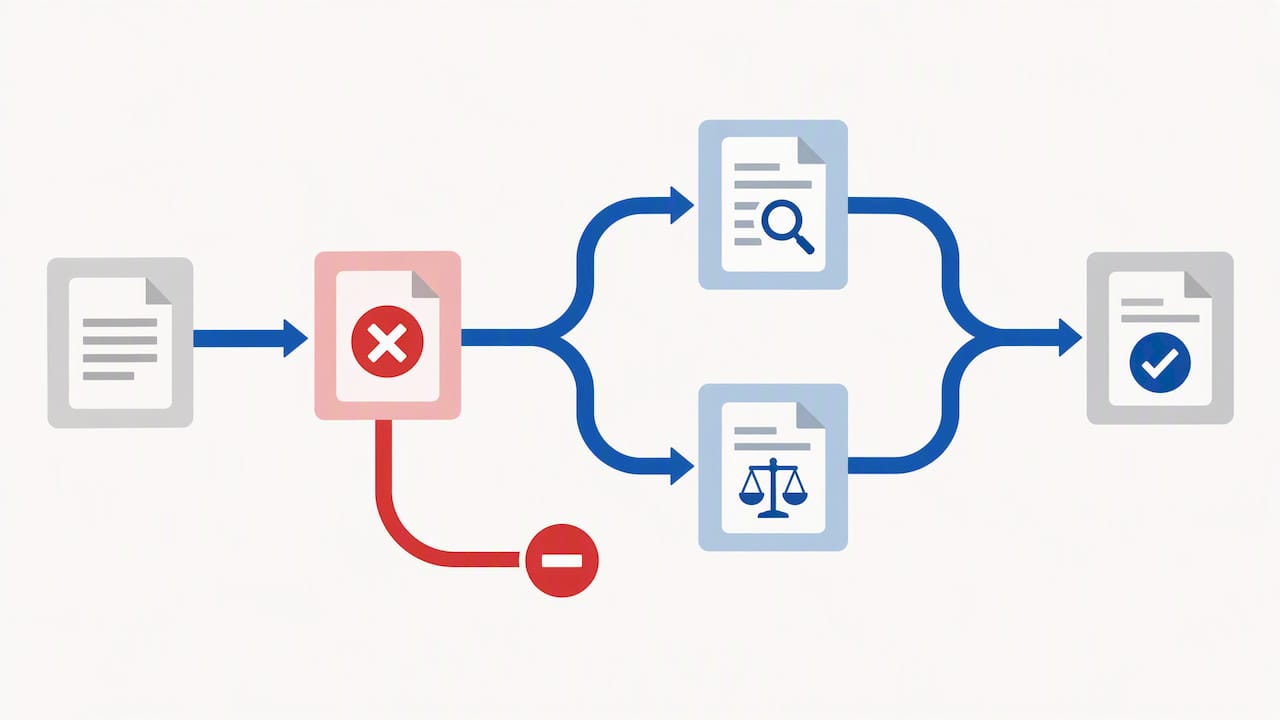
The Department will usually notify you in writing if the MOC finds you have not met the health requirement, and this notification is what triggers any waiver consideration, assuming your subclass allows one. You are not expected to apply for a waiver speculatively ahead of time.
What helps your case at this point:
- Detailed medical reports and a clear treatment or management plan from your specialist.
- Evidence of ongoing care arrangements, including likely frequency and cost of future treatment.
- A realistic forecast of how much community health service use your condition is expected to involve.
Remember that the MOC will not revisit your finances or insurance at this stage, since that is simply outside their remit. On the timeline side, reply to Department correspondence by the stated deadline, register with My Health Declarations and eMedical if you have not already, and keep your HAP ID accessible for any clinic bookings.
If a waiver is not legally available for your subclass, or one is sought and refused, you may have internal review options, and in some cases the Administrative Appeals Tribunal offers merits review. This is a good point to seek migration assistance rather than navigate it alone.
What a MARA-registered adviser sees applicants get wrong
The most common misconception is believing private wealth or comprehensive health insurance can override a failed medical finding. It cannot, though it can still feature usefully in the broader waiver evidence a decision maker considers. The applicants who do best are the ones who build a specific, costed treatment forecast rather than a general appeal to hardship. And for families with a child born in Australia, the newer exemption often removes a worry before it even becomes one.
— Ronit
How Fewa Education & Migration can help you prepare
Working through a failed health requirement is stressful, and getting the evidence right the first time matters more than most applicants realise. We offer practical support across various visa categories affected by health assessments, including advice for applicants navigating health requirement issues, help responding to Department notifications about failed health findings, and guidance on health undertaking compliance.
A typical first consultation works best when you bring any Department correspondence, your HAP ID and referral letters, and whatever medical reports you already have. From there, we help map out whether a waiver pathway exists for your subclass and what evidence will carry the most weight. You can check our MARA registration and book a free consultation through our visa services page.
This article is general information, not a substitute for advice from a qualified doctor. Consult a qualified healthcare professional about your own circumstances before acting on anything here.
FAQ
How much does a health waiver cost?
There is no government fee specifically for a health waiver application, since it is not a standalone application you lodge and pay for separately. Costs instead come from medical reports, specialist assessments and any professional migration advice you choose to engage.
Who qualifies for a waiver?
Qualification depends first on whether your visa subclass legally includes a waiver provision, such as partner, some family, selected humanitarian or certain skilled and Foreign Affairs or Defence visas. Within those subclasses, the decision maker must also be satisfied the Significant Cost Threshold and prejudice to access tests are met.
How to apply for 8503 waiver?
Condition 8503 relates to a no further stay restriction and is a separate matter from the health requirement waiver discussed in this article, so the health waiver process described here does not apply to it. For such waiver requests, speak with a registered migration agent about the specific grounds relevant to your visa.
Who qualifies for a visa waiver?
This generally depends on which type of waiver is meant, since “visa waiver” can refer to several different legal mechanisms within Australia’s migration system. For a health requirement waiver specifically, eligibility depends on your visa subclass permitting one and the health evidence meeting the cost and access tests described above.
Sources
- Protecting health care and community services — Department of Home Affairs
- Form 815 — Health undertaking (PDF) — Department of Home Affairs
- Migration Amendment (Public Interest Criteria 4005 and 4007) Regulations 2024 — Federal Register of Legislation