

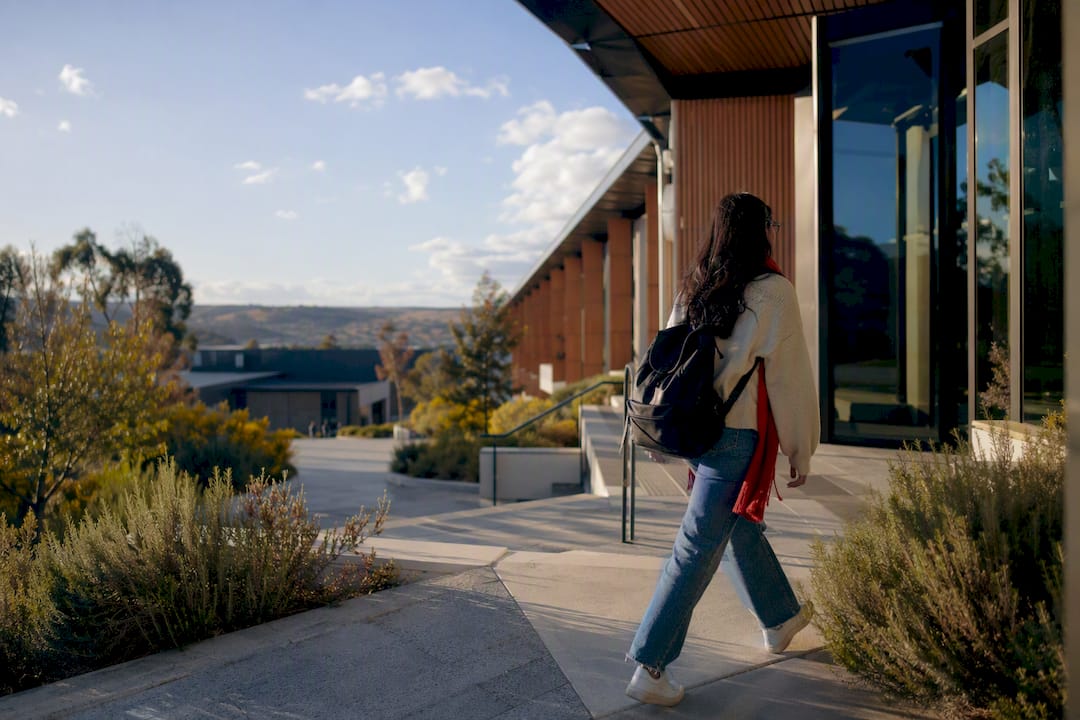
Yes, you can claim 5 additional points for regional study, but only if you completed an eligible Australian qualification while genuinely living and studying at a campus in a designated regional area. Distance learning does not count, no matter how remote your enrolled campus is on paper. Home Affairs verifies this closely, so check the official points table before you build your Expression of Interest around it.
TL;DR:
- Eligibility requires completing at least 16 months of full-time, in-person study at an Australian regional campus, with online or distance courses not counting.
- Confirm each campus’s status against the current regional list by verifying exact addresses through official government sources, not just university brochures.
- Proper claim submission demands supporting documents with specific campus addresses and study dates, secured immediately after course completion to avoid delays.
- Errors in documentation, such as vague enrolment letters or missing campus addresses, are the main reasons claims are rejected, making early review essential.
- Professional review by a registered migration agent improves the accuracy of documents and wording, reducing risks of claim rejection due to shifting regional boundaries.
Table of Contents
- Who Qualifies for the 5 Regional Study Points?
- How Do You Know If a Campus Counts as Regional?
- How Do You Claim Regional Study Points in SkillSelect?
- What Other Benefits Come With Regional Study?
- What Are the Most Common Mistakes Before You Lodge?
- Why Professional Document Review Matters for This Claim
- A Practical Note on Getting This Right the First Time
- How Fewa Helps You Prepare a Regional Study Points Claim
- Where to Verify These Rules Yourself
- Sources
Who Qualifies for the 5 Regional Study Points?
You need two things to line up at once: an eligible qualification and genuine physical presence at a regional campus while you completed it. Miss either one, and the claim falls over.
The Australian study requirement sits underneath this whole benefit. You generally need at least two academic years (a total of 92 weeks) of study toward a registered qualification, taught in English, with courses that ran for at least 16 weeks each. This applies whether you finished a Certificate IV, a diploma, a bachelor’s degree, a trade qualification, or a higher research degree. The qualification type matters less than whether the study was genuine, full time, and completed on the ground.
“Lived in and studied at a campus” is the phrase that trips people up. Home Affairs wants to see that you were physically present in the regional area for the relevant study period, not just enrolled there on a student portal. That means your enrolment dates should match your residential address history, and any gaps need a plausible explanation.
Key eligibility points to check against your own situation:
- Your qualification must meet the Australian study requirement (generally 16+ months of coursework).
- You must have lived in and attended classes at a campus located in a designated regional area for the relevant period.
- Fully online or distance-education units taken during that period don’t count toward the regional claim, even if the enrolling campus is regional.
- Mixed-mode study (some units on campus, some online) can still qualify, but Home Affairs looks at whether the substantial component was completed in person regionally.
- The points apply to the skilled migration points test used for the Skilled Independent (subclass 189), Skilled Nominated (subclass 190), and Skilled Work Regional (subclass 491) visas.
How Do You Know If a Campus Counts as Regional?
The single source of truth is the Home Affairs designated regional areas page. Postcode boundaries and local government area classifications shift between visa updates, so never rely on a university brochure or a forum post from a few years back.
Verify your specific campus with these steps:
- Pull the exact street address of the campus from your enrolment letter, not just the suburb name.
- Cross-check that address against the current Home Affairs regional list, since some outer metro suburbs move on and off it.
- Call or email campus administration and ask for written confirmation of which local government area the campus sits in.
- If your university runs a satellite campus, confirm which physical location your degree program actually delivered classes from.
Historically, cities like Newcastle, Wollongong, the Gold Coast, and regional Victoria and Tasmania have appeared on the designated list, but settings change with each government review. Always confirm against the current version before you lodge anything.
How Do You Claim Regional Study Points in SkillSelect?
You claim these points inside your SkillSelect Expression of Interest, under the education and qualifications section, where the system prompts you to declare regional study. Getting the paperwork right before you submit saves weeks later.
- Log into SkillSelect and select the qualification that satisfies your Australian study requirement.
- Tick the declaration confirming the qualification was completed while living in and attending a designated regional campus.
- Keep your supporting evidence ready, even though you won’t upload it at EOI stage. Home Affairs requests documents only after issuing an invitation.
- When invited, submit certified copies of your academic transcript, completion certificate, and an enrolment or completion letter that explicitly names the campus and study dates.
- Add proof of residence during the study period, such as lease agreements, utility bills, or bank statements addressed to a regional postcode.
Pro Tip: Request your dated campus enrolment letter the day you finish your course, while administration staff still remember your enrolment details. Waiting until visa lodgment often means chasing records departments for weeks.
The most common mistake is submitting a generic completion letter with no campus address. If your university’s standard letter only lists the institution name, ask the registrar’s office for a customized version naming the specific regional campus and your attendance dates.
What Other Benefits Come With Regional Study?
Regional study points aren’t the only reward for choosing a regional campus. Two separate programs are worth factoring into your planning, even though neither one adds points directly.
- Graduates of eligible regional study can access the Temporary Graduate visa (subclass 485) second post-higher education work stream, which typically grants one to two additional years of work rights compared to the standard stream.
- The Destination Australia Scholarship can provide up to A$15,000 per year toward tuition and living costs at participating regional campuses, though each institution manages its own application process.
These programs run on separate rules from the points test, but stacking them with a regional study claim can meaningfully change your overall migration budget and timeline.
What Are the Most Common Mistakes Before You Lodge?
Most rejected regional study claims fail on documentation, not eligibility. The qualification was genuine, the campus was regional, but the paperwork didn’t prove it.
Watch for these red flags before you submit anything:
- Enrolment letters that use vague phrases like “primarily online” or “flexible delivery” without naming a physical campus.
- Completion certificates missing a campus address entirely.
- Unsigned or undated letters from academic staff.
- Residential address history that doesn’t overlap cleanly with your study dates.
Pro Tip: If your enrolment letter is ambiguous, ask a course coordinator directly for a letter on institution letterhead stating the exact campus address and the dates you physically attended. Most academic staff can produce this within a few business days.
Fixing these issues early, well before you’re invited to apply, is far easier than scrambling once Home Affairs has set a deadline for your documents.
Why Professional Document Review Matters for This Claim
A MARA-registered adviser checks the details that Home Affairs actually scrutinizes: whether your enrolment letter names the correct campus, whether your residency evidence lines up with your study dates, and whether your Statement of Purpose wording matches your documented history.
Fewa reviews these documents against current Home Affairs settings before lodgment, which matters given how often designated regional area boundaries shift. Before engaging any migration adviser, you can verify their registration on the MARA public register.
- Verification of campus address against current regional designation settings
- Cross-check of enrolment dates against residency evidence
- Review of Statement of Purpose and supporting letters for consistent, verifiable wording
A Practical Note on Getting This Right the First Time
If there’s one habit that separates a clean regional study claim from a stressful one, it’s timing. Request your dated campus enrolment letter the moment you finish your course, while the paper trail is still fresh and the right staff member is still reachable. Waiting until you’re mid EOI, chasing a registrar’s office that’s since changed systems, is where good claims stall.
— Ronit
How Fewa Helps You Prepare a Regional Study Points Claim
Document review of enrolment records, residency evidence, and EOI wording against current Home Affairs settings is important before you lodge, given how often designated regional boundaries shift between visa rounds.
Our team handles document review for regional study claims, skilled migration EOI preparation, and Statement of Purpose checks for student visa and post-study pathways. If you’re unsure whether your qualification or campus history satisfies the Australian study requirement, book a free consultation with our MARA-registered team and get your evidence checked before you submit anything to Home Affairs.
Where to Verify These Rules Yourself
- Points table for the Skilled Regional (Provisional) visa
- Designated regional areas list
- Regional University Study Hubs and hub locations
- SkillSelect Expression of Interest portal
Sources
- Points table for the Skilled Regional (Provisional) visa (subclass 489)
- Designated regional areas – Immigration and citizenship
- Regional University Study Hubs – Department of Education, Australian Government
- Destination Australia Scholarships (CQU summary)
- Make an expression of interest (SkillSelect) – Home Affairs