

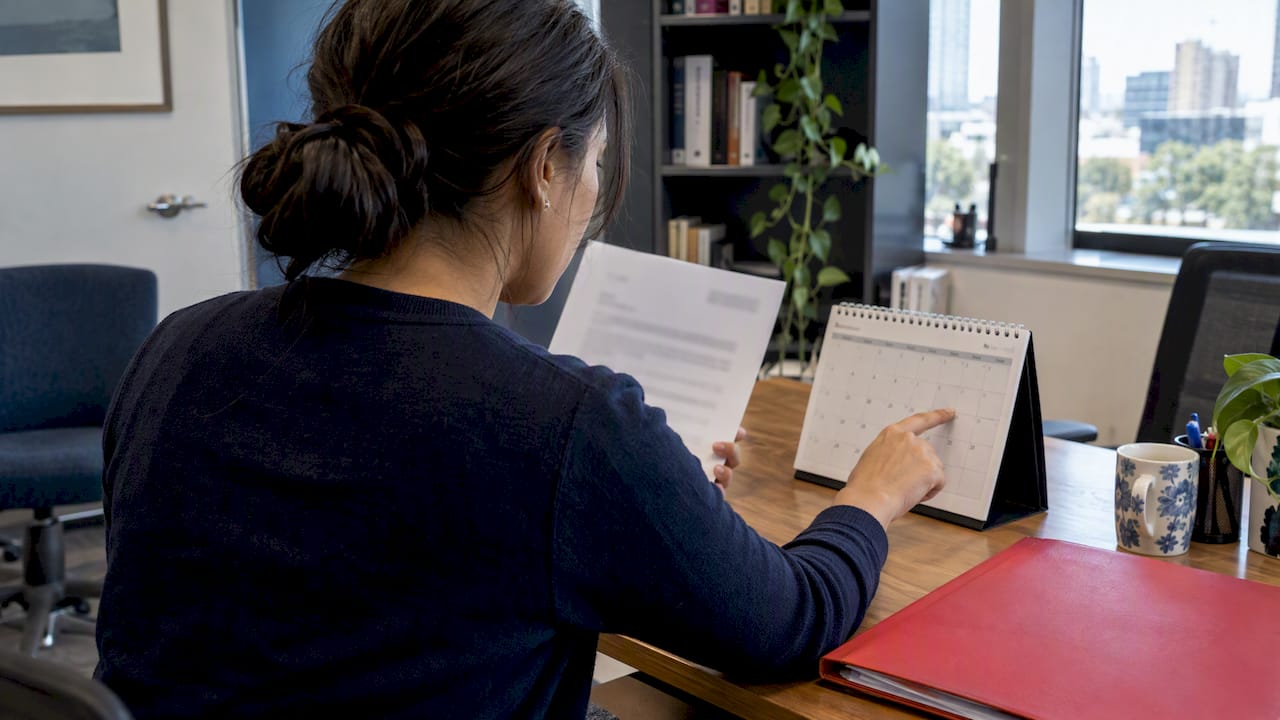
Yes, some student visa refusals are reviewable, and lodging the correct form within the strict deadline (usually 28 days) is the single most important thing you can do. Check your decision letter for the exact time limit and form, then pay the migration review fee or apply for a hardship concession if you qualify. Miss the deadline and you lose the right to review altogether.
TL;DR:
- Filing the review form within 28 days of the decision letter is crucial, as late applications are automatically rejected regardless of case strength.
- The review primarily examines whether the refusal was based on a genuine student requirement, with common issues including inconsistent study pathways and weak ties to the home country.
- Responding directly to each refusal reason with well-documented evidence, including financial capacity and support letters, increases chances of success.
- The Tribunal is increasingly resolving cases without oral hearings, so clear, comprehensive written submissions are more important than ever.
- If the decision is set aside or remitted, your visa outcome depends on the Tribunal’s ruling, but timely lodgement and proper evidence are vital for a positive review.
Table of Contents
- What the Tribunal reviews and who can apply
- The genuine student test and why most refusals happen
- How to lodge your review: forms, fees and deadlines
- Building an evidence bundle that answers every refusal reason
- Hearings, recent changes and your bridging visa
- What each outcome means and what to do next
- When professional help makes the difference in a review
- Getting help with your AAT review from Fewa
- FAQ
- Sources
What the Tribunal reviews and who can apply
Your decision letter from the Department will tell you whether your refusal is a reviewable migration decision. Not every negative outcome carries review rights, so this is the first thing to confirm before you do anything else.
The review applicant is usually the visa applicant named in the refusal, and if a time limit applies, it generally starts from the date you’re taken to have received the letter, not the date you read it. Being in the migration zone can matter for some review categories, so check your specific circumstances against what the letter says.
A merits review means the Administrative Review Tribunal looks at your case afresh, independent of the original decision maker. It can:
- Affirm the original decision, leaving the refusal in place.
- Set aside the decision and substitute a new one, including a grant.
- Remit the matter back to the Department for reconsideration.
Understanding which outcome is realistic for your case starts with understanding why you were refused in the first place.
The genuine student test and why most refusals happen
Most student visa refusals turn on the genuine student requirement, often still referred to by its older name, the genuine temporary entrant or GTE criterion. Direction No. 106 sets out the factors a decision maker must weigh when assessing this requirement for Subclass 500 applications, and the same factors guide the Tribunal on review.
Those factors include your personal circumstances, your immigration history, the value of the course to your future, your ties to your home country, and any other relevant matters the decision maker considers important.
In practice, refusals commonly point to one or more of these patterns:
- An inconsistent study pathway that doesn’t logically build towards your stated career goal.
- Weak or unclear ties to your home country, suggesting limited intention to return.
- Insufficient or poorly evidenced financial capacity to support your studies.
- A previous visa condition breach or compliance history that raises concern.
Each of these needs a direct, documented answer: a study purpose statement linking past study to your chosen course, a clear career plan, consistent bank statements, evidence of family or employment ties at home, and certified translations of any documents not in English.
Pro Tip: Address every single refusal reason by name in your evidence, don’t just submit a stronger version of what you already gave the Department.
How to lodge your review: forms, fees and deadlines
Getting the lodgement right matters as much as the evidence itself. Follow these steps in order.
- Read the decision letter carefully and note the trigger date and your deadline, usually 28 days from notification.
- Complete the correct review form, which for most applicants not in immigration detention is the M1 application form, and attach the Department’s decision letter along with your supporting documents.
- Pay the application fee, currently $3,580, or apply for the 50% fee reduction available where you can demonstrate financial hardship or another qualifying circumstance.
The Tribunal cannot extend these time limits under any circumstances, so an application lodged even one day late will be rejected regardless of how strong your case is. If you’re unsure which form applies to your situation, our guide on what to do after a student visa refusal walks through the practical checklist in more detail.
Building an evidence bundle that answers every refusal reason
A disorganised bundle of documents makes the Tribunal member’s job harder and your case weaker by default. Structure your submission so the response to each concern is easy to find.
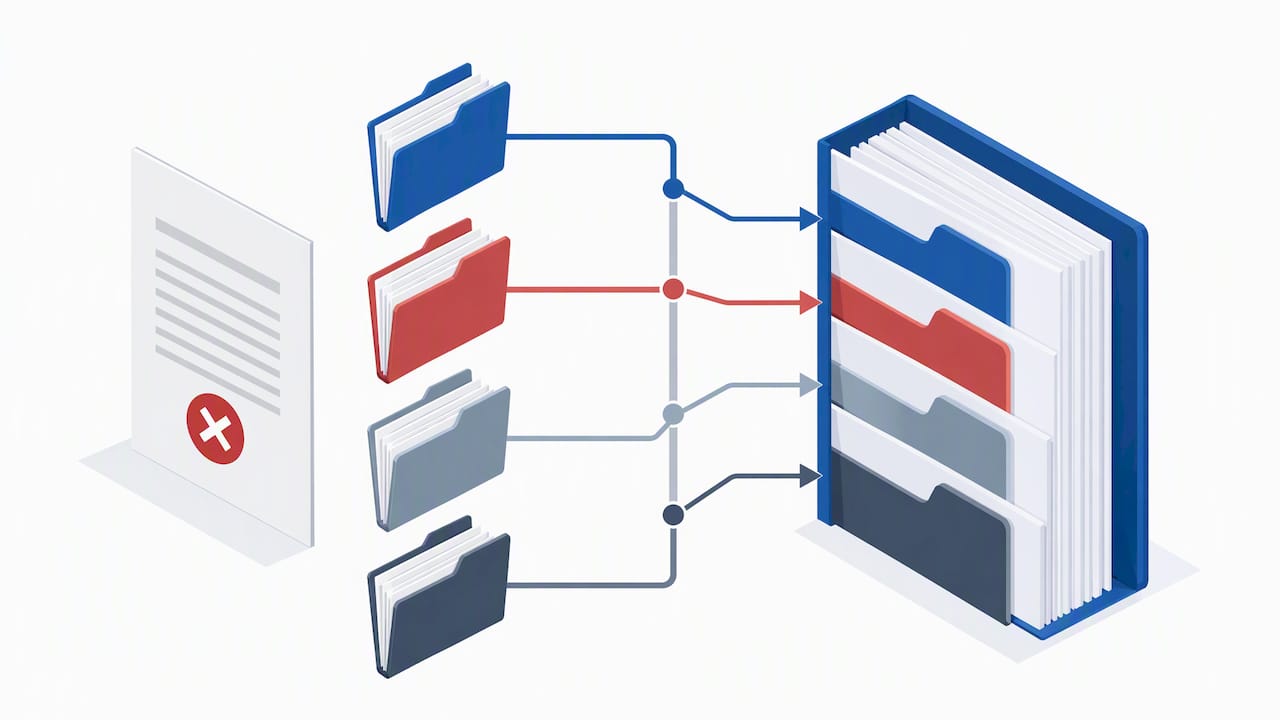
A workable format includes a short cover letter or executive summary, a point-by-point response to each reason given for refusal, a documentary bundle with a clear index, and certified translations where your original documents aren’t in English.
Within that bundle, prioritise:
- Your original course offer letter and a clear explanation of how it fits your study pathway.
- Financial evidence that matches what you claimed at application, not a revised figure.
- Employment or education history that supports your stated career plan.
- Statutory declarations and letters from employers or educational institutions backing your circumstances.
If you need to submit documents issued overseas, some applicants also require authentication such as an apostille before those documents are accepted; this explainer on the apostille process covers the general procedure, though you should confirm Australian requirements for your specific document type.
Pro Tip: If you’re introducing evidence that wasn’t before the original decision maker, explain clearly why it’s relevant now, unexplained new material can look like an afterthought rather than genuine support.
Where your case involves prior non-compliance or a complicated history, getting a migration professional to review your bundle before lodgement is worth the time it takes.
Hearings, recent changes and your bridging visa
The Tribunal has signalled a shift towards deciding many student visa refusal reviews without an oral hearing, which makes your written submission more important than ever. Treat your documents as your only chance to be heard, because for many applicants, that’s exactly what they are.
After lodgement, the Department will typically provide its documents to the Tribunal, and you may be asked for further information or, less commonly now, invited to a hearing.
- If a hearing is allocated, you’ll receive a timetable with enough notice to prepare.
- Respond promptly to any Tribunal request for additional material, missed deadlines here can count against you.
- If your matter is remitted, your bridging visa generally continues while the Department reconsiders.
- If the decision is affirmed, your bridging visa may cease after a set period, so check your visa grant notice for the exact timing.
What each outcome means and what to do next
The Tribunal’s decision falls into one of three categories, and each carries different practical consequences.
- Affirmed: the refusal stands. You may consider judicial review within 35 days if there’s an identifiable legal error, or begin planning your departure from Australia.
- Set aside and substituted: the Tribunal replaces the refusal with its own decision, often a grant, and your visa status updates accordingly.
- Remitted: the matter goes back to the Department for a fresh decision using the Tribunal’s guidance, which doesn’t guarantee a grant.
Whatever the result, take these steps immediately:
- Check your visa status on VEVO as soon as the decision is finalised.
- Contact your registered migration agent or representative if you have one.
- Confirm your bridging visa expiry date and conditions.
- Only pursue judicial review where there’s a genuine legal error, not simply disagreement with the outcome.
When professional help makes the difference in a review
In my experience preparing these matters, the applicants who do best are the ones who treat the written case as the whole case, especially now that many reviews are decided on paper. Professional help earns its cost most clearly when a matter involves complex genuine student issues, a prior compliance problem, or a bridging visa deadline closing in fast.
What we bring to a review is MARA-registered guidance through document preparation, lodgement, and Tribunal liaison, starting from a free consultation. We’re upfront that no outcome can ever be guaranteed. What we can promise is a sharper, better-targeted written case.
— Ronit
Getting help with your AAT review from Fewa
Preparing a Tribunal review while you’re also managing study, work, and an uncertain visa status is a lot to carry alone, and that’s exactly where our team steps in. We help with student visa refusal cases from the first read of your decision letter through to lodging your AAT review, including document checking and submission support along the way.
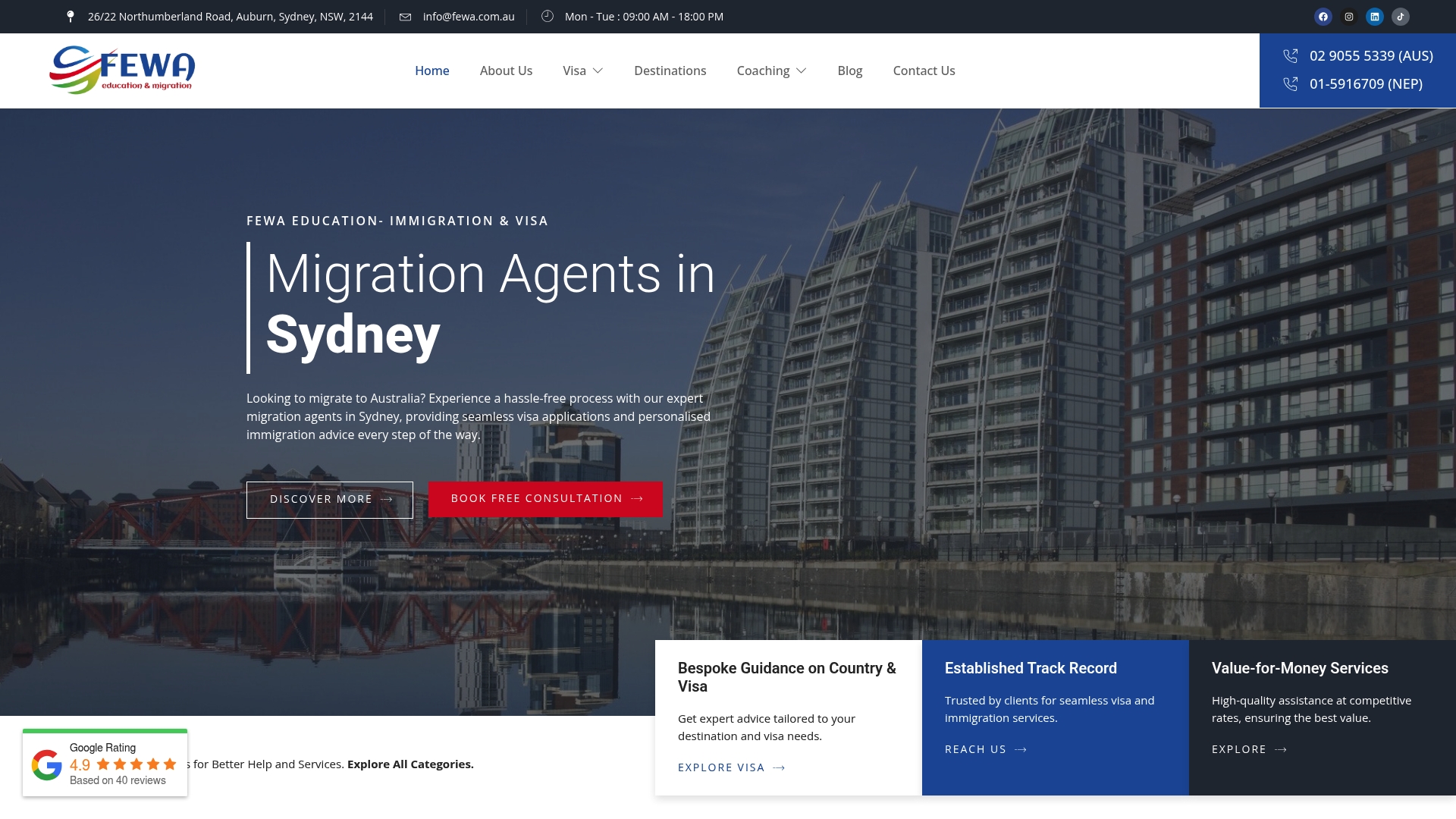
A first consultation covers your decision letter, your identity documents, and the evidence you already have, so we can tell you early where your case is strong and where it needs work. Book a free consultation through our student visa services page to get started, or browse our full range of visa and migration services if your situation involves a partner, family, or employer-sponsored pathway as well.
This article is general information, not a substitute for advice from a qualified lawyer. Consult a qualified legal professional about your own circumstances before acting on anything here.
FAQ
How long does an AAT appeal take?
Processing times vary by case complexity, but ART data shows 50% of student visa review cases are finalised within 1 year and 7 months, and 95% within 2 years. Lodging a complete, well-organised application upfront can help avoid delays caused by requests for further information.
How can I appeal a student visa rejection in Australia?
Check your decision letter to confirm the refusal is reviewable, then complete the M1 application form and lodge it with the Administrative Review Tribunal within the deadline stated, usually 28 days. You’ll also need to pay the application fee of $3,580 or apply for a hardship reduction.
What happens after winning an AAT case?
If the Tribunal sets aside the refusal and substitutes a new decision, your visa status updates to reflect that outcome, often a grant. If the matter is remitted instead, the Department reconsiders your case using the Tribunal’s guidance, though this doesn’t guarantee a particular result.
Can I reapply for an Australian visa if it is refused?
In many cases, yes, you can lodge a fresh visa application after a refusal, provided you meet the relevant criteria and address the reasons for the earlier refusal. Whether reapplying or appealing is the better path depends on your individual circumstances, including any time limits still open to you.
Sources
For the most current detail on deadlines, fees, and legal direction, go straight to the source documents referenced throughout this guide: the M1 application form, the Tribunal’s fee schedule, the general review process page, and Direction No. 106 on genuine student assessment. If you’d rather talk your situation through with someone first, our home page has contact details for a free consultation.
- Fees | Administrative Review Tribunal
- M1 — Application for review (migration) form (PDF)
- Direction No. 106 — Assessing the genuine entry and stay requirements