

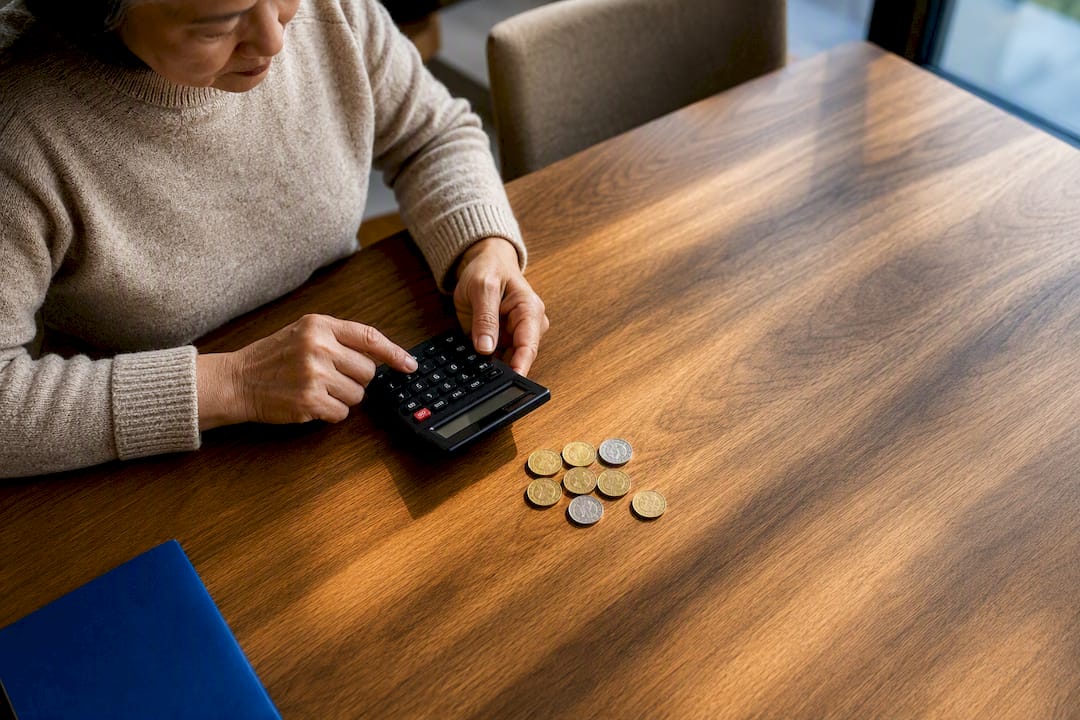
The main applicant charge for a Contributory Parent visa (subclass 143) is $6,300, while the standard Parent visa (subclass 103) is $6,600, and both are just the opening payment. Contributory applicants also face a substantial second instalment before grant, so the real total is far higher than the headline figure suggests. Always confirm live numbers on the Visa Pricing Estimator before you commit to a subclass.
TL;DR:
- The second instalment for contributory parent visas can nearly double the initial application cost, so budget for additional thousands before grant.
- Queue estimates indicate 15 years for contributory routes and 33 years for non-contributory, affecting total costs due to repeated medicals and police checks.
- Additional expenses, such as translations, courier fees, and bonds, can push the total cost into tens of thousands of dollars for a single applicant.
- Always verify current fees and instalment amounts using the Visa Pricing Estimator before lodging, as figures change annually and depend on individual circumstances.
- Professional migration advice can help families accurately budget, avoid costly mistakes, and determine the best subclass based on their situation.
Table of Contents
- Parent visa cost breakdown: main and additional applicant charges
- What you pay, when, and which subclass applies to you
- How the second instalment works for contributory visas
- Why queueing and capping change your real budget
- Other costs to build into your parent visa budget
- How to calculate your exact parent visa total
- Making a financially sensible choice for your family
- Get your parent visa fees planned properly with Fewa
- Official pages and tools to verify live fees
- Sources
- FAQ
Parent visa cost breakdown: main and additional applicant charges
Budgeting for a parent visa starts with knowing which subclass you’re actually applying under, because the gap between them is significant. Here’s how the main lodgement charges compare across the most common parent categories.
| Subclass | Main applicant charge | Notes |
|---|---|---|
| Parent (103) | $6,600 | Non-contributory, longer queue |
| Contributory Parent (143) | $6,300 | Plus second instalment before grant |
| Contributory Aged Parent (864) | Similar to 143 structure | Requires applicant to be of pension age |
| Aged Parent (804) | Similar to 103 structure | Non-contributory, aged parent stream |
This table covers application charges only. It doesn’t include the second instalment for contributory visas, additional applicant fees for a partner included in the same application, or the extra costs covered further down this guide. Additional applicants are typically charged at a reduced rate relative to the main applicant, but the exact figure depends on which subclass and which year’s pricing table you’re checking, so run your own numbers through the current visa pricing table rather than relying on a figure from an old forum post.
What you pay, when, and which subclass applies to you
Each parent subclass has its own payment structure, and mixing them up is one of the more expensive mistakes a family can make when self-lodging.
- Subclass 103 (Parent): the main applicant charge of $6,600 is payable in full at lodgement, with additional applicant charges added if a partner is included on the same application.
- Subclass 143 (Contributory Parent): the $6,300 main applicant charge is paid at lodgement, but that’s only the first instalment. The Contributory Parent (subclass 143) page confirms a second instalment is due before the visa is granted.
- Subclass 864 (Contributory Aged Parent): follows the same two-instalment logic as 143, with eligibility tied to the applicant having reached pension age.
- Subclass 804 (Aged Parent): mirrors 103’s single-payment structure but for applicants already of pension age.
Fees are typically indexed on 1 July each year, and the 2026 update is a good example of why re-checking before you lodge matters. A figure you saw quoted twelve months ago may already be out of date, so treat every number in this article as a starting point for your own Visa Pricing Estimator check, not a final answer.
How the second instalment works for contributory visas
Contributory parent visas run on a two-stage payment model, and misunderstanding it is where a lot of family budgets go wrong.
- Pay the main applicant charge (currently $6,300 for subclass 143) when you lodge the application.
- Wait through the assessment and queue period, during which no further visa charge is due.
- Pay the second instalment once Home Affairs requests it, shortly before grant. This amount is substantial for contributory routes and is detailed on the subclass 143 page, though it should always be confirmed at the time you’re approaching grant since amounts change.
- Pay through ImmiAccount, which shows the exact figure requested and the payment deadline once it’s issued.
Pro Tip: Set a calendar reminder to check ImmiAccount every few months once your application is in the later stages of processing, so a second instalment request never catches your family off guard financially.
Why queueing and capping change your real budget
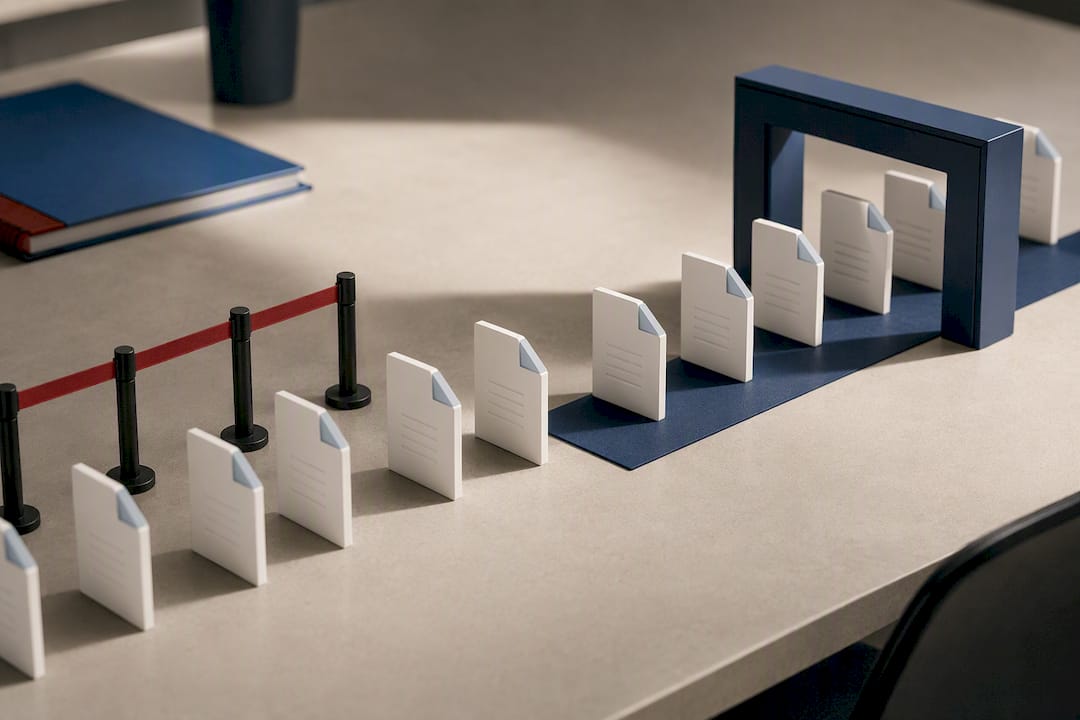
Capping and queueing apply to all parent visa applications, and they’re arguably a bigger cost factor than the fees themselves. Home Affairs releases a limited number of places each program year and works through applications largely in the order they were lodged, which creates long queues on both contributory and non‑contributory routes. Published estimates on the parent visas processing page put contributory routes at about 15 years and non‑contributory routes at about 33 years, though these are queue estimates rather than guarantees.
That length of wait means budgeting for more than one round of expenses:
- Repeat medical examinations, since results expire and need updating closer to grant.
- Fresh police certificates if the originals lapse during the wait.
- Bridging or repeat visitor visa costs if your parent needs to travel to or stay in Australia while the application sits in the queue.
Other costs to build into your parent visa budget
Application charges are only part of the picture. Families consistently underestimate the extra costs that stack up alongside the headline fee.
- Medical exams and x‑rays: typically several hundred dollars per applicant, with repeats needed if results expire before grant.
- Police certificates: required from Australia and from every country the applicant has lived in for 12 months or more in the past ten years.
- Translations and certified copies: add up quickly for large families with documents in multiple languages.
- Courier and document handling fees: small individually, but they recur throughout a years-long application.
- Assurance of support or bonds: required for some parent visa streams to demonstrate the applicant won’t need government support.
A realistic total for a single contributory applicant, once you add the main charge, second instalment, medicals, and police checks, comfortably runs into the tens of thousands of dollars once every line item is counted. That’s before factoring in years of repeat costs while the application sits in the queue.
How to calculate your exact parent visa total
- Identify the correct subclass and list every person included in the application, since additional applicants change the total significantly.
- Run those details through the Visa Pricing Estimator to get current lodgement and second instalment figures.
- Add the extra costs checklist above, medicals, police checks, translations, and any assurance of support, to the estimator total.
- Save every screenshot and receipt in ImmiAccount as you go, since you’ll need them to track payment timing over a multi-year application.
- If the numbers are large or your family situation involves multiple applicants or complex eligibility, get a professional legal assistance read on the figures before you lodge.
Making a financially sensible choice for your family
Most families ask the same question: pay more upfront for the contributory route’s shorter estimated queue, or accept a longer wait on the non‑contributory path and keep more cash available now. There’s no universally right answer. It depends on your parent’s age, health, and how much certainty your household needs around timing.
This is exactly where a MARA-registered consultancy like Fewa Education & Migration earns its fee, running the numbers accurately, managing ImmiAccount correctly, and helping families avoid the costly mistake of lodging under the wrong subclass.
— Ronit
Get your parent visa fees planned properly with Fewa
Professional migration consultancies offer practical alternatives to working through ImmiAccount and the pricing estimator alone, providing guidance that turns official fee tables into a household budget you can actually plan around.
A free consultation covers your exact subclass options, the real second instalment timing for contributory routes, and which extra costs your family should set aside now rather than discover later. Fewa’s team walks you through the Visa Pricing Estimator together with you, checks your documentation before lodgement, and flags anything that could delay your place in the queue. If your family’s situation involves multiple applicants, tight timing, or you simply want a second set of eyes before you pay a five-figure fee, visit the Fewa visa services page and book a consultation to get your numbers confirmed before you lodge.
Official pages and tools to verify live fees
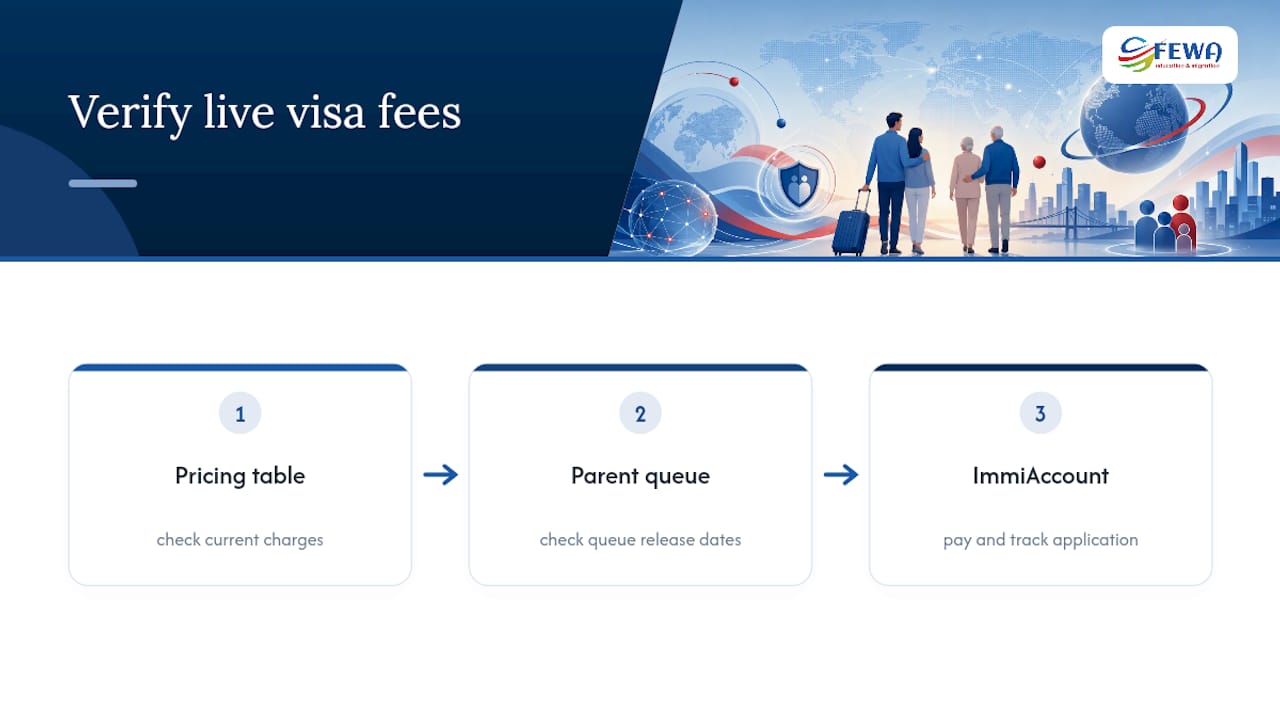
Check the current visa pricing table for live charges, the parent visas queue page for queue release dates, and ImmiAccount to pay and track your application.
FAQ
How much does a contributory parent visa cost in Australia?
The subclass 143 main applicant charge is $6,300 at lodgement, plus a separate second instalment payable before grant. Check the Contributory Parent (subclass 143) page for the current second instalment amount, since it changes and should be confirmed close to your grant date.
What is the new parent visa option some families are asking about?
There’s no separate parent visa category distinct from the standard subclasses. What families are usually referring to is the long estimated queue, roughly 15 years for contributory and 33 years for non‑contributory routes, published on the parent visas processing page.
How long does a parent visa take to process in Australia?
Processing time depends heavily on the queue your subclass sits in rather than case complexity alone. Contributory routes are estimated at around 15 years and non‑contributory routes around 33 years, based on Home Affairs’ published queue estimates.
How much money do you need to sponsor a parent for an Australian visa?
There’s no fixed sponsorship savings figure, but you need enough to cover the main application charge ($6,300 to $6,600 depending on subclass), a second instalment if applying under a contributory route, and several thousand dollars more in medicals, police checks, and document costs. A free consultation can help you build an accurate total based on your family’s specific circumstances.
Where can I check the exact fee I’ll be charged?
The Visa Pricing Estimator is the only authoritative source for live parent visa fees, since amounts are typically indexed on 1 July each year. Any figure quoted elsewhere, including in this article, should be treated as a starting point rather than the final number.